February 23, 2026
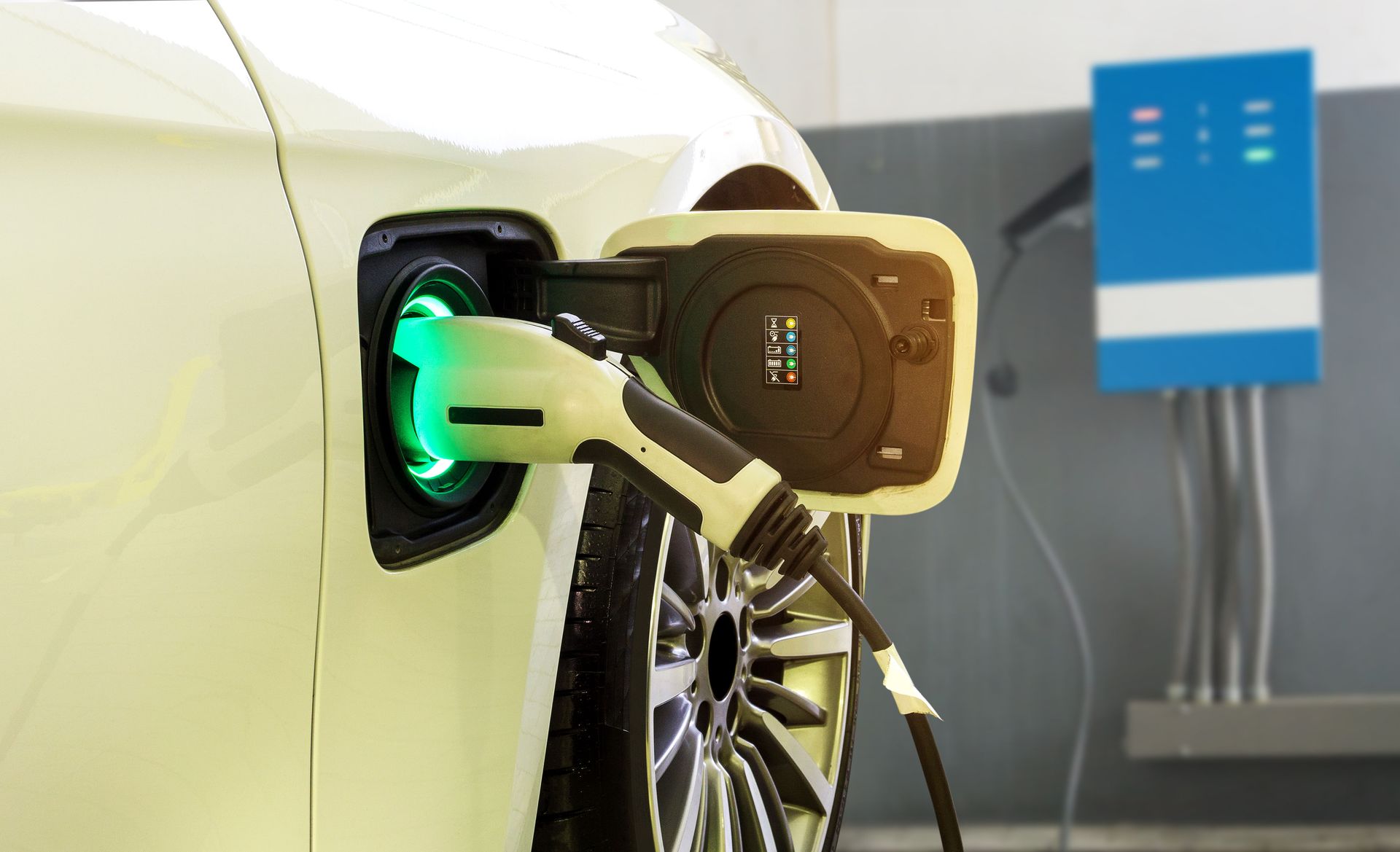
Electric vehicles are becoming a more common sight in neighborhoods across the country. As more drivers make the switch to electric, home charging stations are quickly shifting from a luxury to a practical necessity. Having a dedicated charger installed at home offers convenience, reliability, and the ability to start each day with a full battery.
If you are considering installing a charger, you may be wondering what the process involves. Working with a professional ensures your system is safe, efficient, and compliant with local codes. Understanding each step ahead of time can help you feel confident and prepared as you move forward with the installation.
Evaluating Your Home’s Electrical Capacity
The first step in the process is a thorough site assessment. Before any equipment is installed, the electrical company will evaluate your existing electrical system to determine whether it can support an EV charger. This includes reviewing your electrical panel, available circuit space, and overall load capacity to ensure your home can handle the additional demand.
During this visit, the technician will also assess the best location for the charger. Factors such as proximity to your parking area, ease of cable management, and protection from weather elements are considered. Proper placement ensures both convenience and long-term durability. Choosing a smart installation spot also helps optimize the aesthetics and functionality of your setup.
Load calculations are a key part of this evaluation. The installer will determine how much power your household currently uses and whether your panel can safely accommodate a new high-powered appliance. If upgrades are required, such as a panel replacement or service upgrade, those recommendations will be clearly outlined before work begins. Addressing these electrical needs early helps ensure your system supports future technologies as well.
This step is especially important as interest in electric vehicles continues to grow. According to Gallup, 35% of people in the U.S. are weighing whether to purchase an electric vehicle. As more households prepare for this transition, ensuring your home’s electrical system is ready becomes a crucial first move.
Selecting the Right Charger and Ensuring Compatibility
After assessing your home’s electrical capacity, the next step is choosing the right charger. Not all chargers are the same, and selecting one that matches your vehicle and driving habits is essential. A professional electrical company can walk you through the differences between charger levels, charging speeds, and smart features.
Level 1 chargers use a standard household outlet, while Level 2 chargers require a dedicated 240-volt circuit and provide significantly faster charging times. In our experience, Level 2 chargers typically offer homeowners the best balance of speed and convenience. The installer will help you determine which option fits your needs and daily routine. They may also explain how each level affects charging cost and long-term efficiency.
Compatibility with your specific electric vehicle is also reviewed. While many chargers use standardized connectors, certain models may have unique requirements or recommended equipment. Ensuring compatibility from the start prevents performance issues and unnecessary modifications later. This careful matching protects your investment and ensures a smooth daily charging experience.
Smart features are another consideration. Many modern chargers offer Wi-Fi connectivity, energy usage tracking, and scheduling options that allow you to charge during off-peak hours. Discussing these features with your installer helps you choose a system that aligns with both your budget and your lifestyle.
Handling Permits and Meeting Code Requirements
Installing an EV charger is more complex than plugging in a new appliance. In most areas, permits are required before installation begins. A qualified electrical company will manage the permit application process on your behalf, ensuring all paperwork is submitted correctly and on time.
Local building codes and electrical regulations are designed to keep homeowners safe. These rules govern everything from wiring methods and breaker sizing to grounding and circuit protection. Working with licensed electricians ensures that your installation meets all applicable standards.
Permit approval typically occurs before installation starts. Once the permit is issued, the work can proceed according to local guidelines. After the electrical company has completed the installation, a final inspection by a local authority may be required to verify that everything was done properly. The inspection process serves as a safeguard, confirming the charger meets every requirement.
This structured process may seem detailed, but it protects your investment and your home. Code-compliant installations reduce the risk of electrical hazards and help ensure that your charger operates safely for years to come. Skipping this step or attempting a do-it-yourself approach can lead to complications and potential safety concerns.
Completing the Installation and System Testing
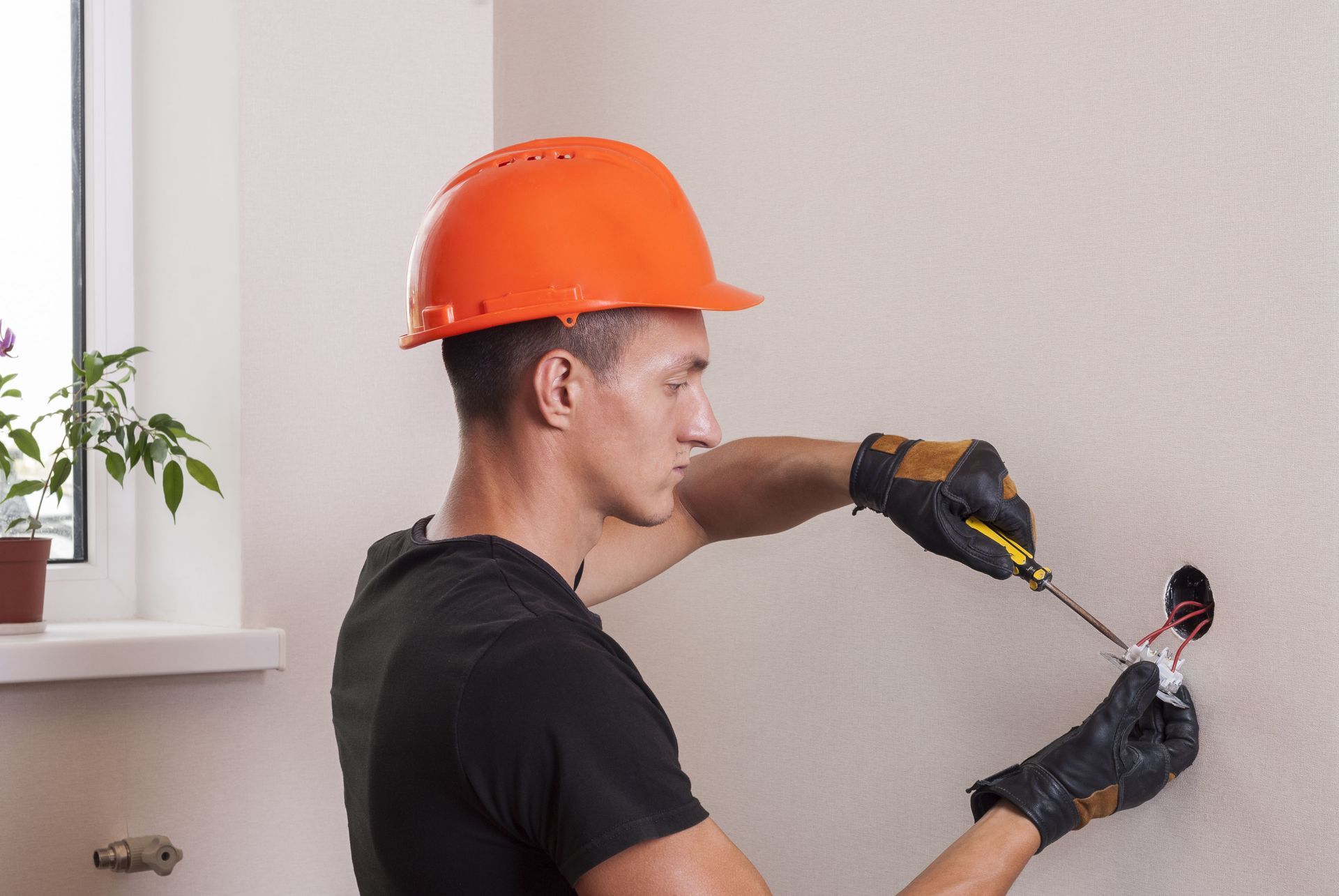
Once permits are secured and preparations are complete, the installation phase begins. Licensed electricians will install a dedicated circuit, run the necessary wiring, and mount the charging unit in the agreed-upon location. This work is performed according to manufacturer specifications and local codes.
The installation typically involves connecting the charger to your electrical panel through a properly sized breaker. Careful attention is given to wire routing, secure mounting, and protective measures that safeguard against environmental exposure. The goal is a clean, professional setup that blends seamlessly with your space.
After the physical installation is complete, thorough testing takes place. The electrical company will verify that the charger powers on correctly, delivers the appropriate voltage, and communicates properly if it includes smart features. Any necessary adjustments are made before the job is considered finished.
User training is the final step in the process. The installer will show you how to operate the charger, explain indicator lights or app features, and review basic maintenance tips. This hands-on walkthrough ensures you feel comfortable using your new system from day one.
Ongoing Support and Peace of Mind
The relationship does not end once the charger is installed. A reputable electrical company will remain available to answer questions, address concerns, and provide support if issues arise. Knowing that help is just a phone call away adds an extra layer of confidence to your investment.
Some homeowners may later choose to upgrade their system or add additional chargers. As electric vehicle ownership grows within households, power needs can evolve. Having a reliable professional familiar with your setup makes future modifications more straightforward. That familiarity also helps reduce costs and time for future work.
Routine maintenance is generally minimal, but it’s still important to monitor your charger for any unusual behavior. If you notice inconsistent charging or visible wear, contacting your installer promptly can prevent larger problems. Professional guidance helps ensure your system continues operating safely and efficiently.
Home vehicle charging involves creating a reliable, safe, and future-ready solution that supports your transportation needs. With proper installation and ongoing support, your charger can serve you well for many years.
Installing an EV charger at home is an exciting step toward greater convenience and sustainability. While the process involves careful planning, professional installation ensures everything is handled safely and correctly. From evaluating your electrical capacity to completing final system testing, each stage is designed to protect both your home and your vehicle.
By knowing what to expect, you can approach the installation with confidence. A qualified electrical company will guide you through site assessment, charger selection, permitting, installation, and user training. With the right preparation and support, your home charging system will be ready to power your daily drive with ease.
Thinking about adding an EV charger at home? Schedule your installation with our electrical company at Flow Electric LLC and let us handle every detail with safety and expertise.